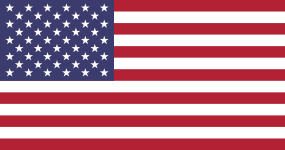
 You’re a grand old flag,
You’re a high flying flag
And forever in peace may you wave.
You’re the emblem of
The land I love.
The home of the free and the brave.
Ev’ry heart beats true
‘neath the Red, White and Blue,
Where there’s never a boast or brag.
But should auld acquaintance be forgot,
Keep your eye on the grand old flag.
– George M. Cohan, Chorus of You’re a Grand Old Flag
You’re a grand old flag,
You’re a high flying flag
And forever in peace may you wave.
You’re the emblem of
The land I love.
The home of the free and the brave.
Ev’ry heart beats true
‘neath the Red, White and Blue,
Where there’s never a boast or brag.
But should auld acquaintance be forgot,
Keep your eye on the grand old flag.
– George M. Cohan, Chorus of You’re a Grand Old Flag
Two weeks ago, I was driving in the car with my seven year old grandson. He was happily singing songs from a disk of children’s songs he loves, and broke into the chorus of You’re a Grand Old Flag. I joined in, and he giggled.
“Grandma, you know this song?”
I smiled. Well, of course I do. I’ve known it since I was about his age. We Baby Boomers were caught between the lingering patriotic fervor that followed World War II and the brewing Cold War. Like many other generations, we often sang patriotic songs in school and we said the Pledge of Allegiance daily with our hands over our hearts. We were taught proper flag etiquette and protocols. We marched in our town parades, and we all knew, and most lived with, veterans.
I grew up in the shadow of the Cradle of Liberty – outside of Philadelphia, on the path between Washington’s Crossing and Valley Forge. John Philip Sousa and his band had famously played in the band shell at the nearby amusement park in bygone Summers. Sousa was the author of many well-known patriotic songs, including the rousing (if a little militant) Stars and Stripes Forever.
Hurrah for the flag of the free!
May it wave as our standard forever,
The gem of the land and the sea,
The banner of the right.
Let despots remember the day
When our fathers with mighty endeavor
Proclaimed as they marched to the fray
That by their might and by their right
It waves forever.
– John Philip Sousa, Chorus of Stars and Stripes Forever
Tomorrow is Flag Day, and so today I’ve been giving some thought to how I’ve grown up with our flag,
The Stars and Stripes are a symbol of the United States of America. In my life I’ve seen the flag burned at home and abroad in protest of U.S. government policies. I’ve seen it worn as clothing (in defiance of protocol), and lowered to half staff in honor of lost patriots – military and civilian. I’ve flown it on my home to celebrate patriotic holidays. But what does it really mean to me?
I know what it meant to my Scots grandparents, who immigrated and became American citizens. I know how important it was to my Dad and his father (the son of German immigrants), both of whom served in the U.S. Army. To them, the flag represented choices and responsibility, opportunities and freedom.
Any flag is, after all, just a cloth rectangle, sewn with symbols. It has no intrinsic power, but it is a powerful symbol. Our flag represents the United States of America, where I was born. The “republic for which it stands” requires our allegiance as citizens. In our country, as in too few others, that includes a right and a responsibility to exercise our votes, express our opinions, and practice our faiths. We are expected to participate and contribute. That’s what makes a republic, or a democracy, work.

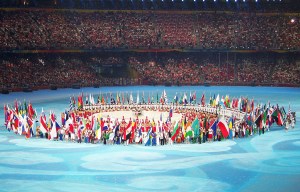
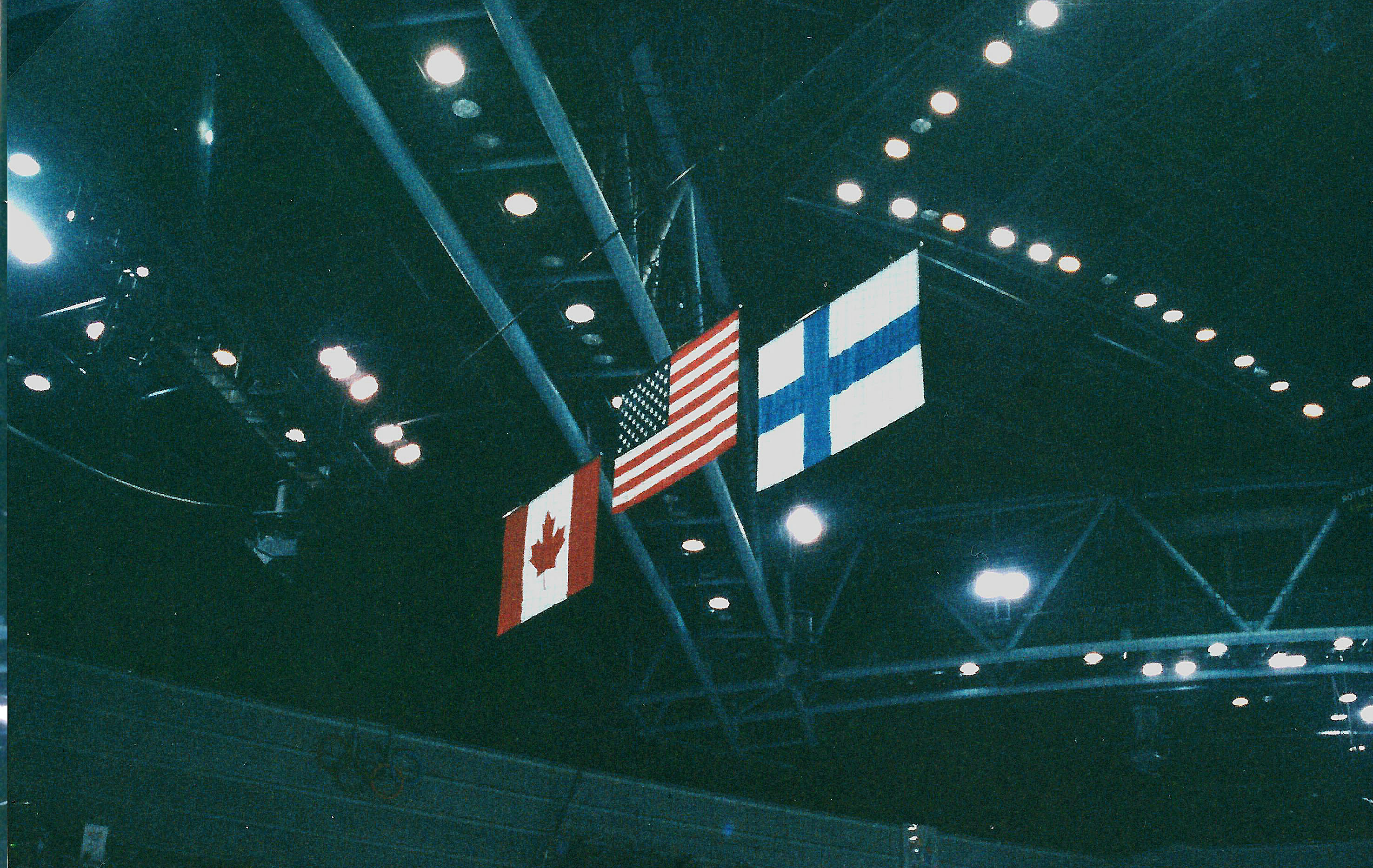
Flags at the Beijing Olympics
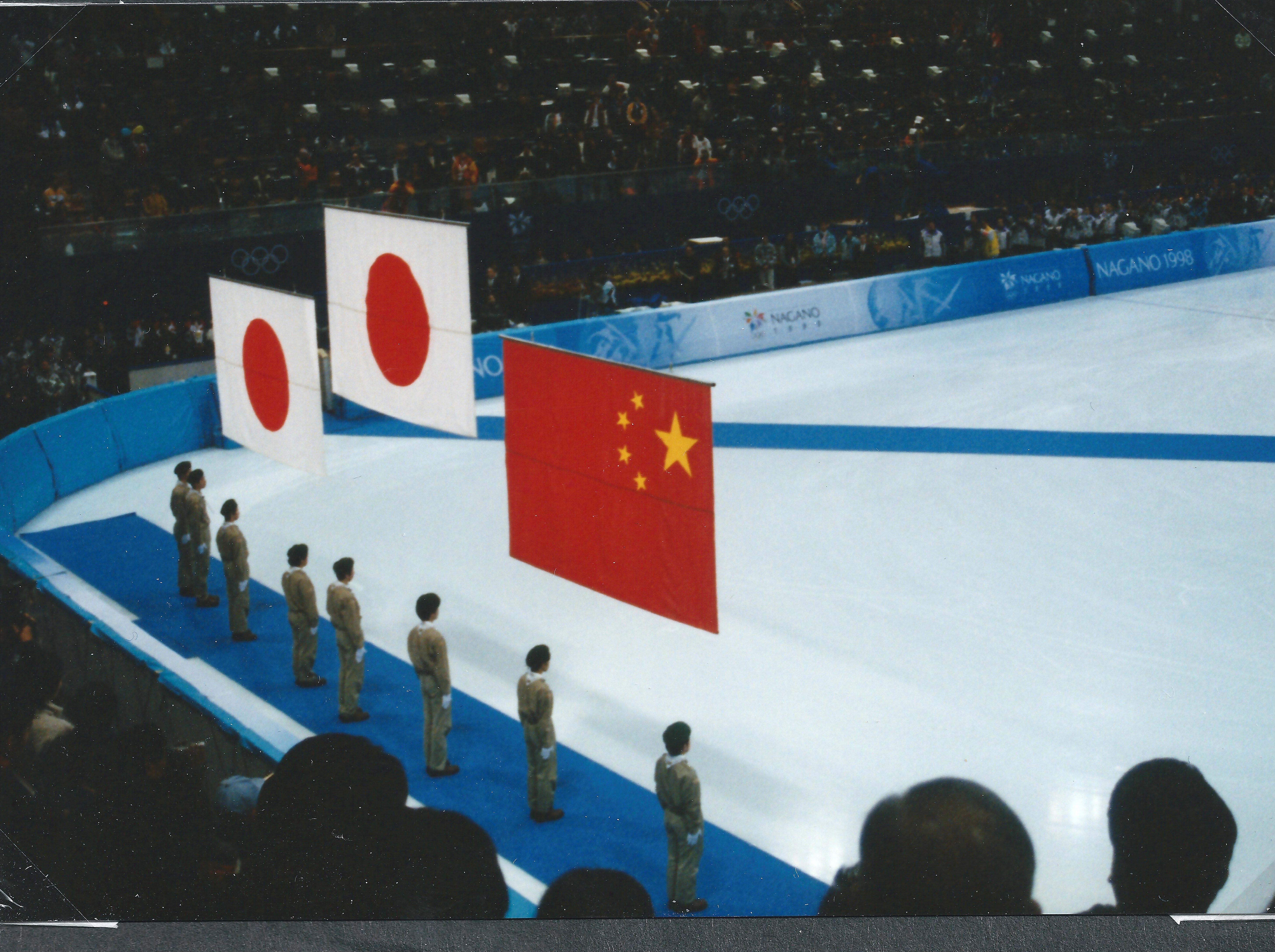
The Olympics are one of the places national identities are seen closely aligned to flags. Flags from around the world are displayed at many venues, and winners’ flags are raised at medal ceremonies. Spectators wave flags as their athletes are performing. At a speed skating event in Nagano, our Japanese hosts were ecstatic as the gold and silver went to their countrymen and their national anthem was played.
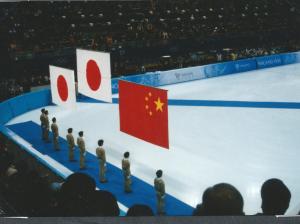
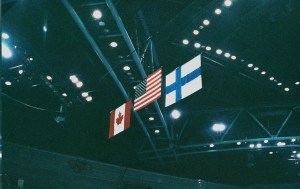
Nagano Medal Ceremonies
Then, when the U.S. Women defeated Canada in ice hockey, it was our turn. We placed our hands over our hearts and sang aloud, and then it happened. We teared up. Right there in front of the whole world, we declared our allegiance by saluting the symbol of our republic, and we wept as we sang the last lines.
And the rockets’ red glare, the bombs bursting in air,
Gave proof through the night that our flag was still there.
Oh, say, does that star-spangled banner yet wave
O’er the land of the free and the home of the brave?
– Francis Scott Key, from the first verse of The Star-Spangled Banner
We’ve occasionally talked about becoming ex-patriots to help finance our retirement. Retiring here is costly, and healthcare costs are a real wild card right now. We have friends who will retire overseas, and I know some of our friends in the blogosphere have found very good situations living in other countries – mostly for financial rather than political reasons. I completely support and understand their decisions. And although they may live under other flags, they are still Americans.
I know the U.S. isn’t perfect, but for better or worse it will remain my home – in no small part because my family and my history are here. I’ll continue to vote my conscience and write to my congressmen. I’ll be here for the foreseeable future. And no matter where I am, when they play The Star-Spangled Banner, I reserve the right to mist up.
Happy Flag Day, wherever you are!
____________________________________
Flag graphic from Wikipedia
Other related sites:
http://www.usa-flag-site.org/history.shtml
http://www.usa-flag-site.org/etiquette.shtml
If you liked this post, please share it!

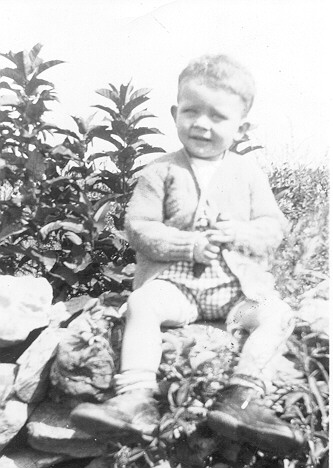 I started blogging long after my Dad passed away, and so he hasn’t been featured much in my posts. Still, he was a big influence in my life, my sister’s life, my step-sisters’ lives, the lives our children, and the lives of his siblings and their families.


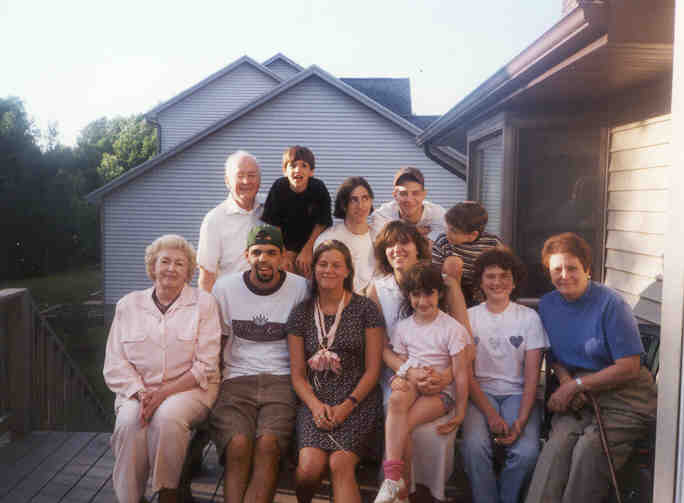
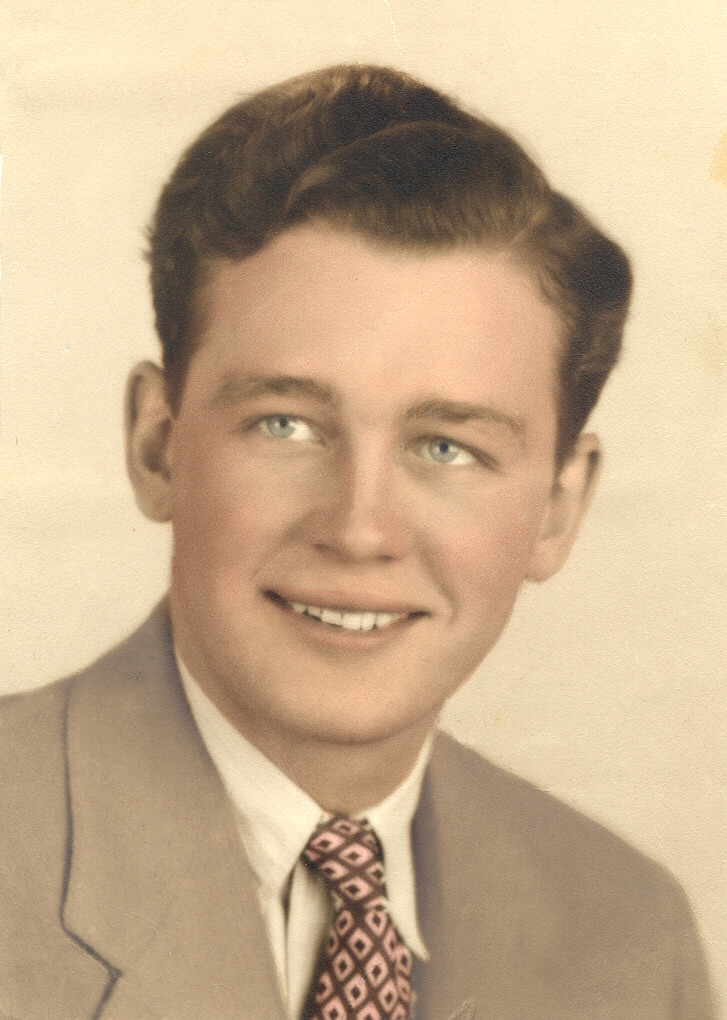 He taught me to add columns of numbers, and to “save my tears for something important.” He showed me how to caulk a window and change a tire, and to always opt for kindness. He gave us a love of sports, but also shared a love of music with my mother, and with us. He encouraged us in everything we did, and assumed we could do anything we set out to do.
















 The Retiring Sort
You must be logged in to post a comment.